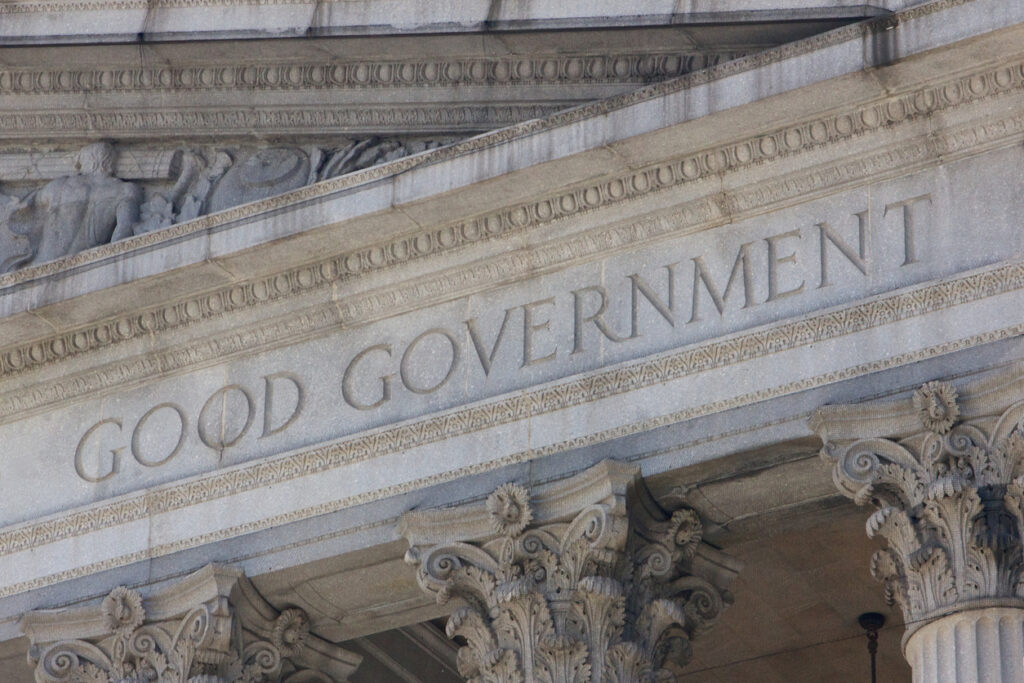
Local governments frequently talk about improving quality of life. New facilities are proposed. New programs are launched. New departments are created. New spending is justified in the name of progress.
But before approving another project, hiring additional staff, or expanding government services, taxpayers should ask a simple question:
Whose quality of life is actually improving?
For many families, quality of life means affordable housing, lower taxes, safe neighborhoods, good jobs, reliable infrastructure, and the ability to keep more of what they earn. Government’s role should be to support those outcomes—not create an ever-expanding bureaucracy that becomes a burden on future generations.
One opportunity for meaningful reform is the consolidation of services. Building departments could be combined across jurisdictions to reduce duplication, lower administrative costs, and improve efficiency. Similar discussions should occur regarding Fire and EMS services, and eventually law enforcement functions where appropriate and practical. Consolidation is not about reducing services; it is about delivering the same or better services at a lower cost to taxpayers.
Florida Chief Financial Officer Blaise Ingoglia has repeatedly highlighted a troubling trend across local governments: staffing levels, contracted services, and spending are often growing faster than population growth and inflation. When government grows faster than the community it serves, taxpayers deserve an explanation.
Even more concerning are the long-term liabilities being accumulated today. Pension obligations, healthcare commitments, and retirement benefits continue to grow. In many communities, the cost of supporting retired government employees is on a trajectory to rival or exceed the cost of active employees. Those obligations do not disappear—they are passed directly to future taxpayers.
While strategic outsourcing may play a role in reducing costs, the larger opportunity is found in streamlining processes, eliminating unnecessary bureaucracy, leveraging technology, and focusing government on its core mission. Citizens should not have to navigate layers of regulations and administrative hurdles for routine interactions with government.
Infrastructure spending also deserves greater scrutiny. Construction costs represent only a fraction of a building’s total life-cycle expense—often just 11 to 15 percent. Yet governments frequently choose replacement over rehabilitation, treating public assets as disposable. Constructing facilities without a sustainable maintenance plan creates liabilities that future generations will inherit and be forced to finance.
Likewise, local governments should carefully evaluate the practice of purchasing developable land and removing it from the tax rolls. Every acre removed from productive use reduces future tax revenues and economic opportunity. Instead, leaders should focus on policies that encourage responsible private-sector investment, create jobs, expand the tax base, and strengthen local economies.
The real measure of success is not how much government spends. It is how effectively government serves.
Taxpayers are not asking for less accountability, less safety, or lower-quality services. They are asking for government to operate with the same fiscal discipline expected of families and businesses. They are asking elected officials to be good stewards of public resources.
Government efficiency is not a partisan issue. It is a taxpayer issue.
The goal should not be to build a larger government. The goal should be to build stronger communities, greater economic opportunity, and a sustainable future. When government focuses on efficiency, accountability, and stewardship, quality of life improves naturally.
That is the kind of progress taxpayers can afford—and future generations deserve.