
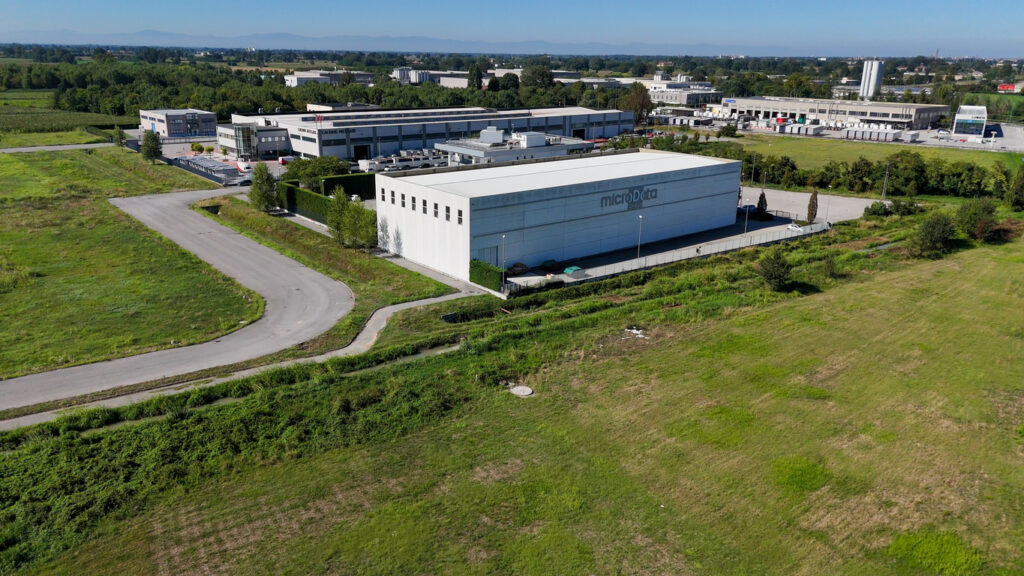
The growing national debate over AI and data centers has officially reached Nassau County.
Over the past several weeks, local news outlets throughout Northeast Florida have reported on growing concern among Nassau County residents regarding the possibility of large-scale “hyperscale” data center projects being developed in the area.
At the center of the discussion is a proposed project tied to Miami-based NextNRG, which announced plans tied to roughly 1,600 acres near the Jacksonville airport area, including a proposed 200-megawatt microgrid and land described as “ideal” for future hyperscale data center development.
The issue quickly caught the attention of Nassau County residents concerned about:
- water consumption,
- electric grid demand,
- land use,
- environmental impacts,
- industrial noise,
- and the long-term effect on quality of life.
In response, Nassau County Commissioners recently advanced a proposed one-year moratorium on new data center development applications while the county studies potential impacts and develops future regulations. County officials stressed the move is intended as a pause for planning — not an outright ban.
The discussion happening in Nassau County mirrors debates now occurring across the country as communities wrestle with the realities of the Digital Age.
Artificial Intelligence may seem invisible online, but behind every AI search, cloud service, streaming platform, and chatbot are enormous industrial-style facilities requiring massive amounts of electricity, cooling systems, fiber infrastructure, and in many cases, large volumes of water.
For residents trying to understand why these projects are suddenly appearing, Eye on Jacksonville recently published an explainer titled:
Data Centers for Dummies: Welcome to the New Industrial Age
The article breaks down in plain English:
- what data centers actually are,
- why AI is driving explosive growth,
- why residents are concerned about water and electric usage,
- how noise and land use become local issues,
- and why Florida communities are increasingly being pulled into the national AI infrastructure race.